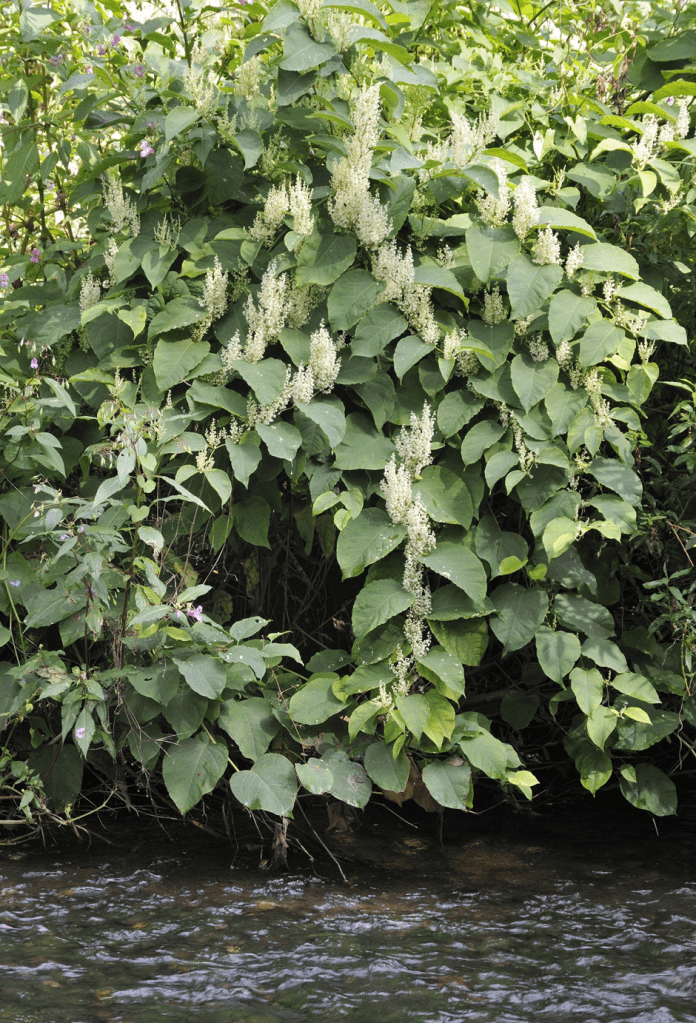
Photo 28283251 | Japanese Knotweed © Whiskybottle | Dreamstime.com
History
Japanese knotweed originally came from East Asia, including areas of Japan, China, and Korea. It was brought over to the UK in the 1800s as a garden plant, but it quickly spread into the wild and soon started to cause major problems. It’s now considered an invasive species in the UK because it stops many native plant species from growing and even damages buildings and roads. So, even though it might look pretty, it’s actually a big problem!
How it spreads
Japanese knotweed spreads primarily through its underground root system, known as rhizomes. rhizomes are long underground stems which can grow up to 7 meters away from the parent plant and can produce new shoots, allowing the plant to spread quickly and take over large areas. Japanese Knotweed, However, can also spread through its seeds. The plant produces small white or greenish-white flowers in late summer, which can produce seeds that are carried by the wind to new locations. The primary method of spread for knotweed in the UK is through its rhizomes.
Where it grows
Japanese knotweed grows in most soil conditions found in the UK, particularly in man-made habitats, such as roadsides, waste ground, railway embankments and spoil tips that are made up of waste material from mining or quarrying, it can also grow along streams and river banks. Knotweed thrives in most conditions in the UK and is often found growing on land that has been abandoned or left unattended. For this reason, large infestations can often be found in overgrown back gardens or on abandoned industrial sites. Most UK Japanese knotweed is distributed across the North West, South West Wales, and Central London though it is also present in many other locations around the UK.
 Knotweed Education UK